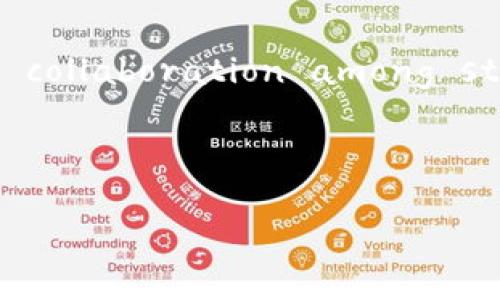
下面是一篇关于最新区块链进展的英语作文,包含多个段落,并使用逻辑连接词,确保内容流畅而自然。

---

Recent Developments in Blockchain Technology

Blockchain technology has rapidly evolved over the past few years, reshaping industries and providing innovative solutions to various challenges. As we embark on another promising year, it becomes imperative to explore the latest advancements that are not only capturing the attention of tech enthusiasts but also driving real-world applications.

Enhanced Scalability Solutions

One of the most pressing issues facing blockchain technology has been scalability. To address this challenge, numerous projects have emerged with solutions aimed at increasing transaction speed and capacity. For instance, second-layer solutions like Lightning Network for Bitcoin and Ethereum's Layer 2 solutions, such as Optimistic Rollups and zk-Rollups, have demonstrated significant potential. These technologies allow multiple transactions to occur off the main blockchain while still ensuring the security and integrity of the network. Therefore, they enable a higher throughput, which is crucial for mainstream adoption.

Interoperability Between Blockchains

Furthermore, interoperability has become a focal point in blockchain discussions. Historically, different blockchains operated in silos, making it difficult to transfer assets or data between platforms. However, projects like Polkadot and Cosmos are spearheading initiatives to create an interconnected blockchain ecosystem. Through the use of bridges and protocols, these projects are facilitating seamless communication among various blockchains, thereby enabling more complex applications and services. As a result, businesses can leverage the strengths of multiple blockchains simultaneously, leading to more innovative solutions.

Decentralized Finance (DeFi) and Its Growth

Moreover, the rise of Decentralized Finance (DeFi) has significantly contributed to blockchain's growing popularity. DeFi applications are redefining traditional financial services by utilizing smart contracts to provide services like lending, borrowing, and trading without the need for intermediaries. Consequently, these platforms are increasing accessibility to financial services, particularly for individuals in underbanked regions. The surge in DeFi has not only highlighted the potential of blockchain technology but has also attracted substantial investments, pushing the industry to new heights. 

Non-Fungible Tokens (NFTs) and Their Cultural Impact

In addition to financial applications, Non-Fungible Tokens (NFTs) have transformed how we perceive ownership and art in the digital age. By enabling the tokenization of digital assets, NFTs have opened avenues for artists and creators to monetize their work like never before. Furthermore, the cultural significance of NFTs cannot be overstated, as they bridge the gap between technology and creativity. Popular NFT platforms like OpenSea and Rarible have witnessed exponential growth, attracting artists, collectors, and investors alike. However, while the market experiences rapid expansion, it also faces challenges such as environmental concerns related to blockchain energy consumption and the need for regulatory clarity.

Regulatory Developments and Their Implications

As blockchain and its associated technologies gain mainstream acceptance, governments worldwide are beginning to formulate regulations to address various concerns. These regulations seek to create a safer environment for users while fostering innovation. For example, the European Union is advancing its legislative framework through the Markets in Crypto-Assets (MiCA) proposal, which aims to provide a comprehensive regulatory approach to cryptocurrencies and their underlying technologies. However, these regulatory advancements bring both opportunities and challenges; as regulatory clarity improves, so too does the potential for mass adoption, yet, it may also stifle innovation in certain cases.

The Role of Central Bank Digital Currencies (CBDCs)

Furthermore, Central Bank Digital Currencies (CBDCs) are emerging as a significant development within the blockchain space. Countries like China, the United States, and several others are exploring or piloting their digital currencies. CBDCs could revolutionize how we conduct transactions by providing a digital form of fiat currency that is both secure and efficient. Nonetheless, the introduction of CBDCs raises several questions regarding privacy, security, and the potential displacement of traditional banking systems. Therefore, ongoing dialogues among policymakers, financial institutions, and technology developers will be crucial in shaping the future landscape of digital currencies.

Conclusion: The Future of Blockchain Technology

In conclusion, the latest developments in blockchain technology demonstrate its transformative potential across various sectors. From scalability solutions and interoperability to the rise of DeFi and NFTs, the possibilities seem limitless. However, as this technology continues to advance, it also faces complexities that require thoughtful consideration and collaboration among stakeholders. As we look towards the future, embracing the challenges while harnessing the opportunities will be essential in ensuring that blockchain fulfills its promise of revolutionizing our digital landscape.

--- 

这样的作文结构清晰,逻辑性强,同时也展示了区块链技术在当今社会中的广泛影响与发展。下面是一篇关于最新区块链进展的英语作文,包含多个段落,并使用逻辑连接词,确保内容流畅而自然。

---

Recent Developments in Blockchain Technology

Blockchain technology has rapidly evolved over the past few years, reshaping industries and providing innovative solutions to various challenges. As we embark on another promising year, it becomes imperative to explore the latest advancements that are not only capturing the attention of tech enthusiasts but also driving real-world applications.

Enhanced Scalability Solutions

One of the most pressing issues facing blockchain technology has been scalability. To address this challenge, numerous projects have emerged with solutions aimed at increasing transaction speed and capacity. For instance, second-layer solutions like Lightning Network for Bitcoin and Ethereum's Layer 2 solutions, such as Optimistic Rollups and zk-Rollups, have demonstrated significant potential. These technologies allow multiple transactions to occur off the main blockchain while still ensuring the security and integrity of the network. Therefore, they enable a higher throughput, which is crucial for mainstream adoption.

Interoperability Between Blockchains

Furthermore, interoperability has become a focal point in blockchain discussions. Historically, different blockchains operated in silos, making it difficult to transfer assets or data between platforms. However, projects like Polkadot and Cosmos are spearheading initiatives to create an interconnected blockchain ecosystem. Through the use of bridges and protocols, these projects are facilitating seamless communication among various blockchains, thereby enabling more complex applications and services. As a result, businesses can leverage the strengths of multiple blockchains simultaneously, leading to more innovative solutions.

Decentralized Finance (DeFi) and Its Growth

Moreover, the rise of Decentralized Finance (DeFi) has significantly contributed to blockchain's growing popularity. DeFi applications are redefining traditional financial services by utilizing smart contracts to provide services like lending, borrowing, and trading without the need for intermediaries. Consequently, these platforms are increasing accessibility to financial services, particularly for individuals in underbanked regions. The surge in DeFi has not only highlighted the potential of blockchain technology but has also attracted substantial investments, pushing the industry to new heights. 

Non-Fungible Tokens (NFTs) and Their Cultural Impact

In addition to financial applications, Non-Fungible Tokens (NFTs) have transformed how we perceive ownership and art in the digital age. By enabling the tokenization of digital assets, NFTs have opened avenues for artists and creators to monetize their work like never before. Furthermore, the cultural significance of NFTs cannot be overstated, as they bridge the gap between technology and creativity. Popular NFT platforms like OpenSea and Rarible have witnessed exponential growth, attracting artists, collectors, and investors alike. However, while the market experiences rapid expansion, it also faces challenges such as environmental concerns related to blockchain energy consumption and the need for regulatory clarity.

Regulatory Developments and Their Implications

As blockchain and its associated technologies gain mainstream acceptance, governments worldwide are beginning to formulate regulations to address various concerns. These regulations seek to create a safer environment for users while fostering innovation. For example, the European Union is advancing its legislative framework through the Markets in Crypto-Assets (MiCA) proposal, which aims to provide a comprehensive regulatory approach to cryptocurrencies and their underlying technologies. However, these regulatory advancements bring both opportunities and challenges; as regulatory clarity improves, so too does the potential for mass adoption, yet, it may also stifle innovation in certain cases.

The Role of Central Bank Digital Currencies (CBDCs)

Furthermore, Central Bank Digital Currencies (CBDCs) are emerging as a significant development within the blockchain space. Countries like China, the United States, and several others are exploring or piloting their digital currencies. CBDCs could revolutionize how we conduct transactions by providing a digital form of fiat currency that is both secure and efficient. Nonetheless, the introduction of CBDCs raises several questions regarding privacy, security, and the potential displacement of traditional banking systems. Therefore, ongoing dialogues among policymakers, financial institutions, and technology developers will be crucial in shaping the future landscape of digital currencies.

Conclusion: The Future of Blockchain Technology

In conclusion, the latest developments in blockchain technology demonstrate its transformative potential across various sectors. From scalability solutions and interoperability to the rise of DeFi and NFTs, the possibilities seem limitless. However, as this technology continues to advance, it also faces complexities that require thoughtful consideration and collaboration among stakeholders. As we look towards the future, embracing the challenges while harnessing the opportunities will be essential in ensuring that blockchain fulfills its promise of revolutionizing our digital landscape.

--- 

这样的作文结构清晰,逻辑性强,同时也展示了区块链技术在当今社会中的广泛影响与发展。